
One of the first decisions with new blinds is ready-made or custom. Both have their advantages, and if ease of installation matters to you, it helps to know how the two differ on the wall. That tells you which suits your DIY skills, your time and the windows you actually have.
Ready-made
Easier and quicker to fit on a standard-sized window, and more forgiving of small errors.
Custom
A better fit on any window, but it depends on precise measuring and a careful install.
Pre-cut against custom fit
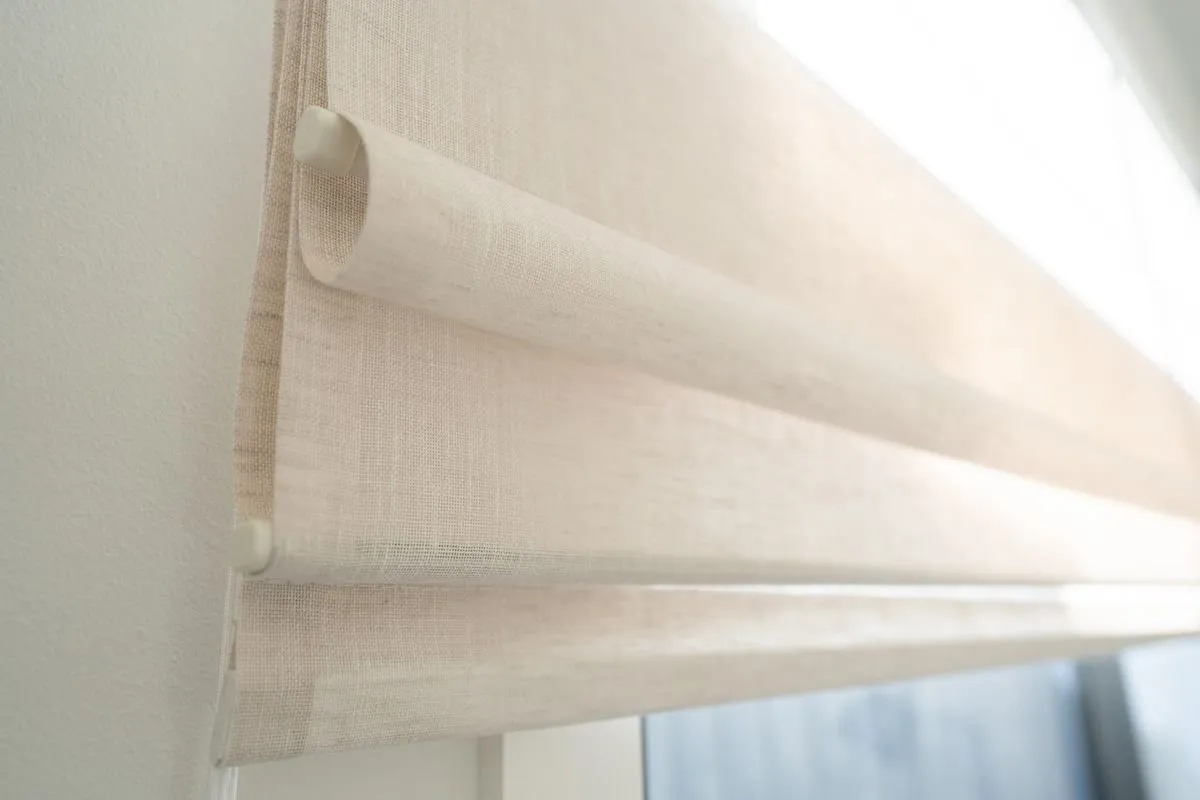
Ready-made blinds are mass-produced in standard sizes designed to fit a range of common window dimensions. Installation is straightforward because the parts are already sized: if your window is a standard size, you fix the brackets, clip the blind in and you are done.
Custom blinds are made to your window's exact dimensions. The fit is better, but it relies on accurate measurements taken before anything is made. If a measurement was off, or the window is out of square, the install gets more complicated.
Pre-cut suits a quick, simple project on standard windows. Custom suits anyone who wants a precise fit, even if it takes more care to get there.
Installation steps
The basic process is the same for both. The difference is in the preparation and the care.
Ready-made blinds
- Fix the mounting brackets.
- Fit the blind into the brackets.
- Secure it with any finishing hardware, including the cord or chain safety device.
Custom blinds
- Mark and fix the mounting brackets.
- Check the placement against the measurements.
- Fit the blind carefully into place.
- Check it sits level and square to the window frame.
- Make any final adjustments, then secure it, including the cord or chain safety device.
Custom blinds take more care to avoid gaps or a blind that sits crooked. Ready-made is the smoother option for a DIYer short on time; custom asks for patience and a little more skill.
Whichever you choose, a corded or chained blind must have its cord or chain secured to the wall so it cannot form a loop a child could reach. That is part of Australia's mandatory safety standard, not an optional extra. NSW Government: blind and curtain safety.
Time and complexity
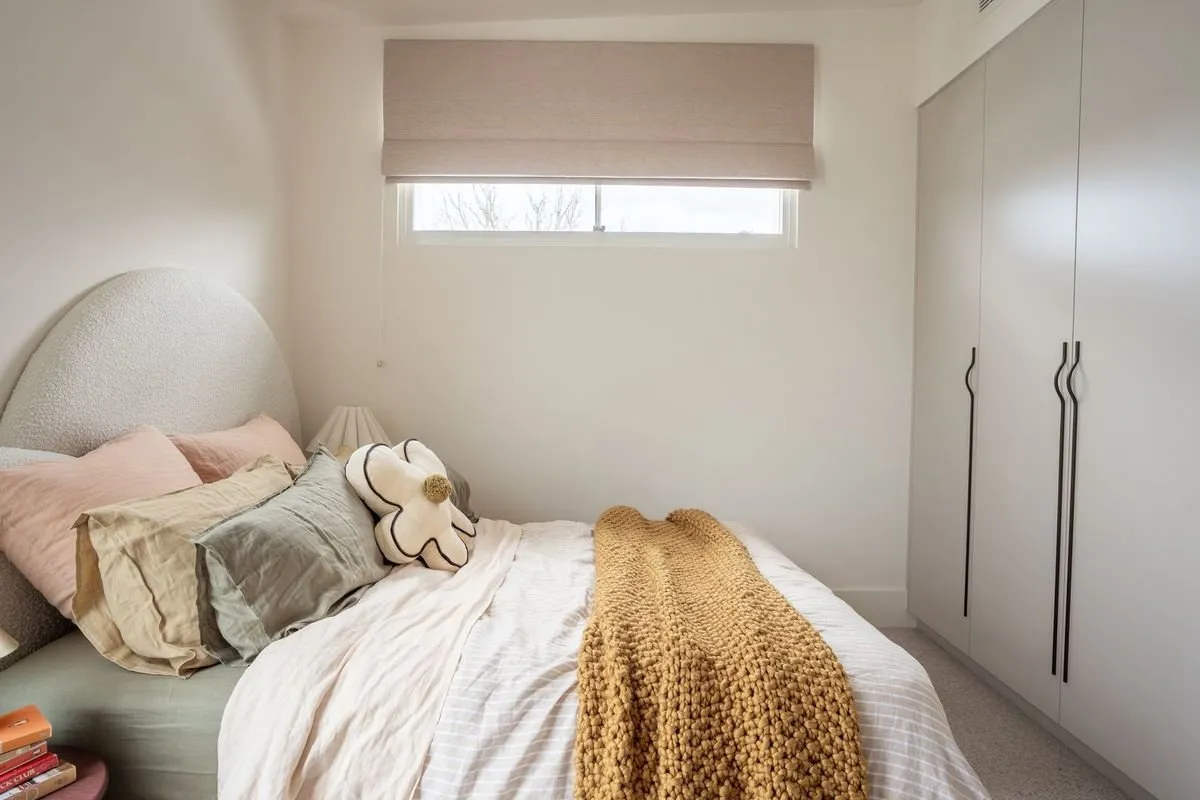
For a quick install, ready-made usually wins. There is nothing to modify, so a standard window can be a short job.
Custom blinds are not necessarily hard, but they often take longer, because the time goes into checking, adjusting and making sure everything sits right in the frame. On a non-standard window that attention is exactly what gets the right result.
DIY or professional help
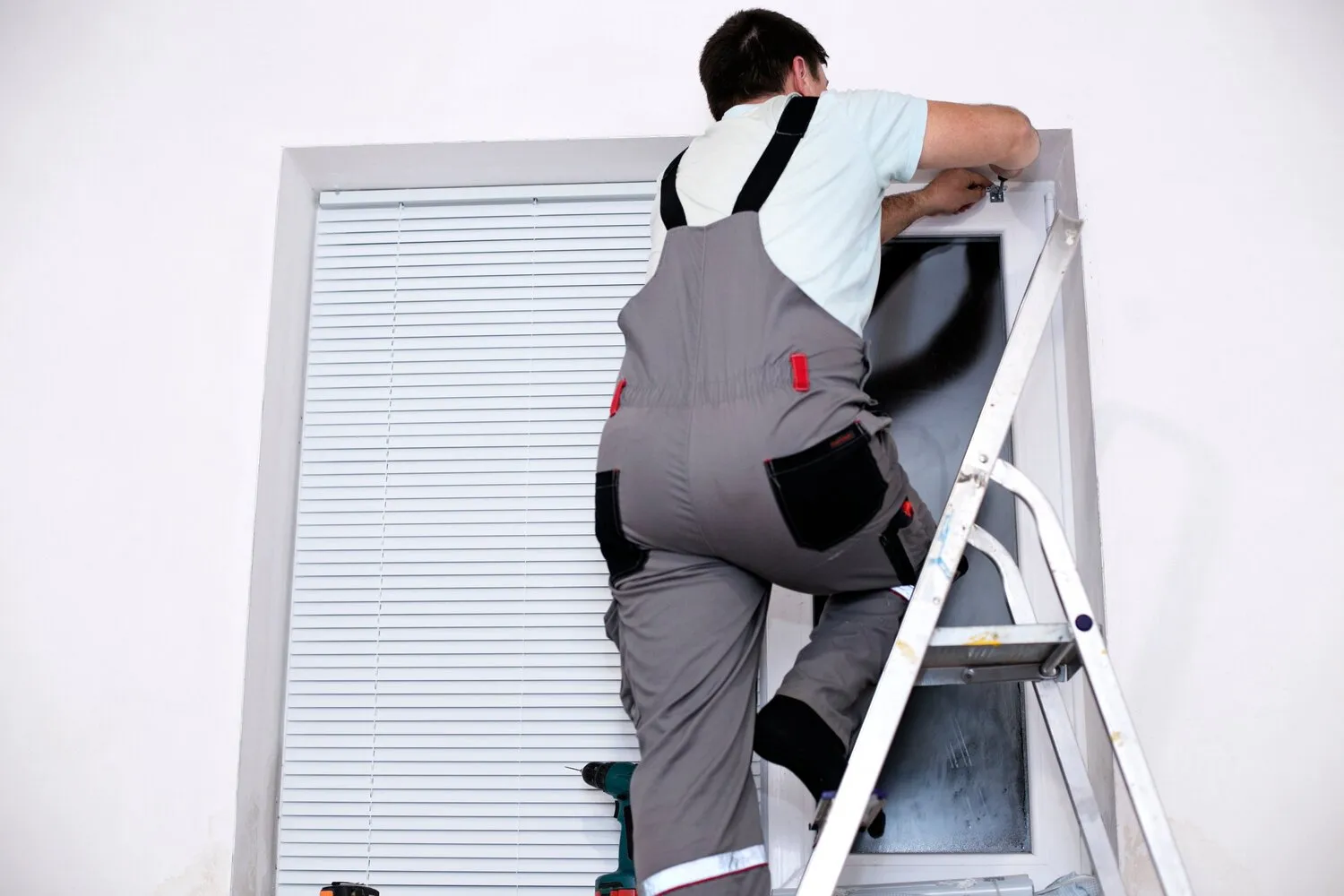
Both types can be installed by someone with basic DIY skills. Ready-made blinds are more forgiving if a measurement or a bracket is slightly out, and their instructions tend to be simpler.
Custom blinds can benefit from professional help, especially if you are unsure about measuring precisely. If you are comfortable with DIY they are still manageable, but there is less room for error, and a mistake can mean a blind that does not fit.
For large or awkward windows, or when you want a flawless finish, a professional measure and install is often the better choice.
Final thoughts
The choice comes down to your window sizes, your DIY confidence and the time you want to spend. Ready-made blinds are convenient for quick updates on standard windows. Made-to-measure blinds take more effort to get right and repay it with a precise fit.
Want a second opinion on which suits your windows? Book a free consultation and we will measure and talk it through.
Questions
Can I customise ready-made blinds after buying them?
Some can be trimmed for width or adjusted for drop, following the maker's instructions. It will rarely look as neat as a made-to-measure blind, and cutting a product down may affect any warranty that comes with it, so check first.
What tools do I need to install blinds?
Usually a drill, screws and wall plugs to suit the wall, a measuring tape, a spirit level and a screwdriver. Trimming a ready-made blind can also need a fine saw.
Do custom blinds come with installation instructions?
Many makers supply fitting instructions with made-to-measure blinds. If you are buying custom blinds to fit yourself, ask for them before you order.
How long do ready-made and custom blinds take to arrive?
Ready-made blinds are often available straight away. Custom blinds are made after you order, so they take longer, depending on the style and fabric. For our consultations, we confirm timing in writing with the quote.
Are ready-made blinds easier to replace or repair?
Usually, because standard sizes are easy to find again. A custom blind may need specific parts or a re-make, which takes more time.