
Roller or Roman
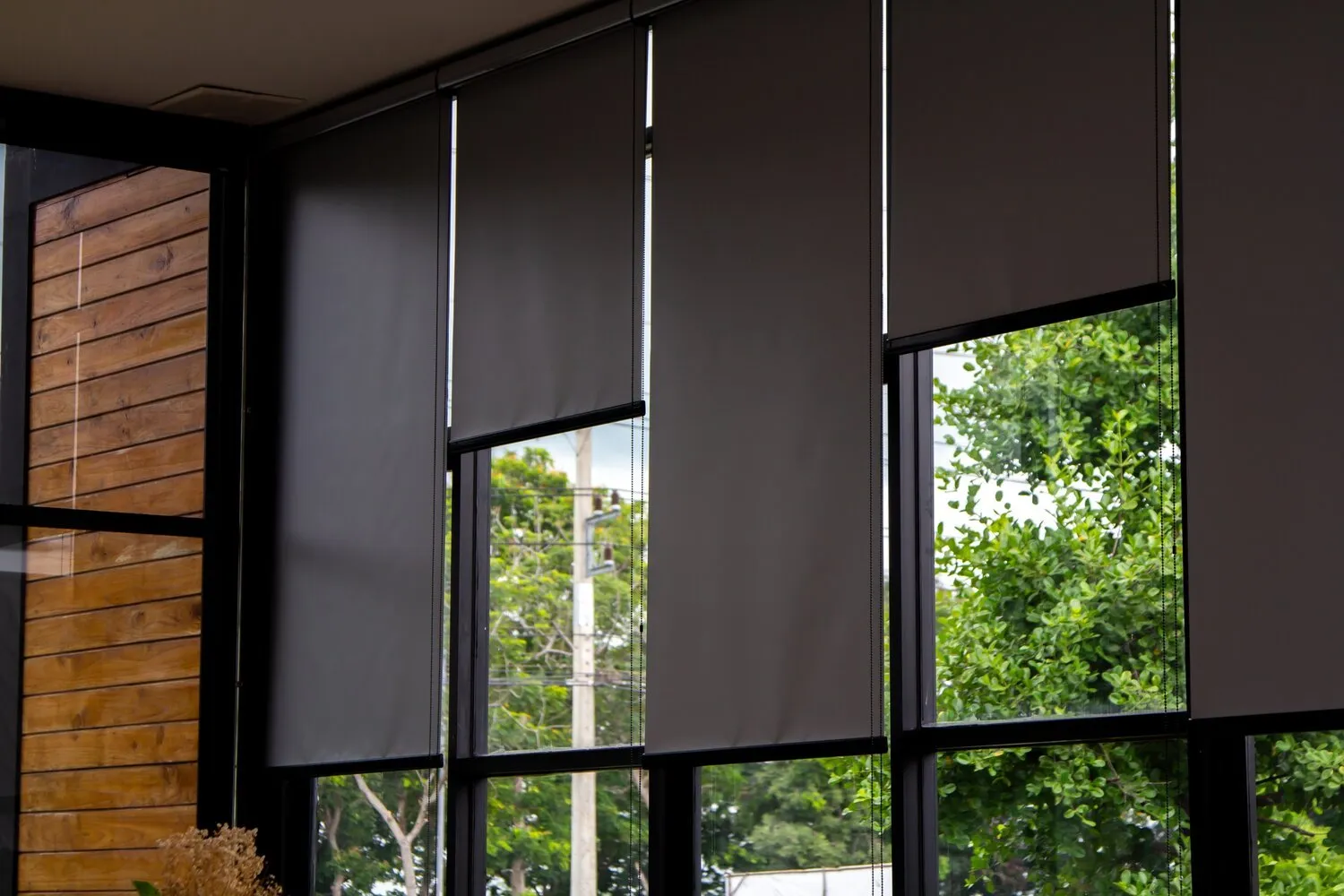
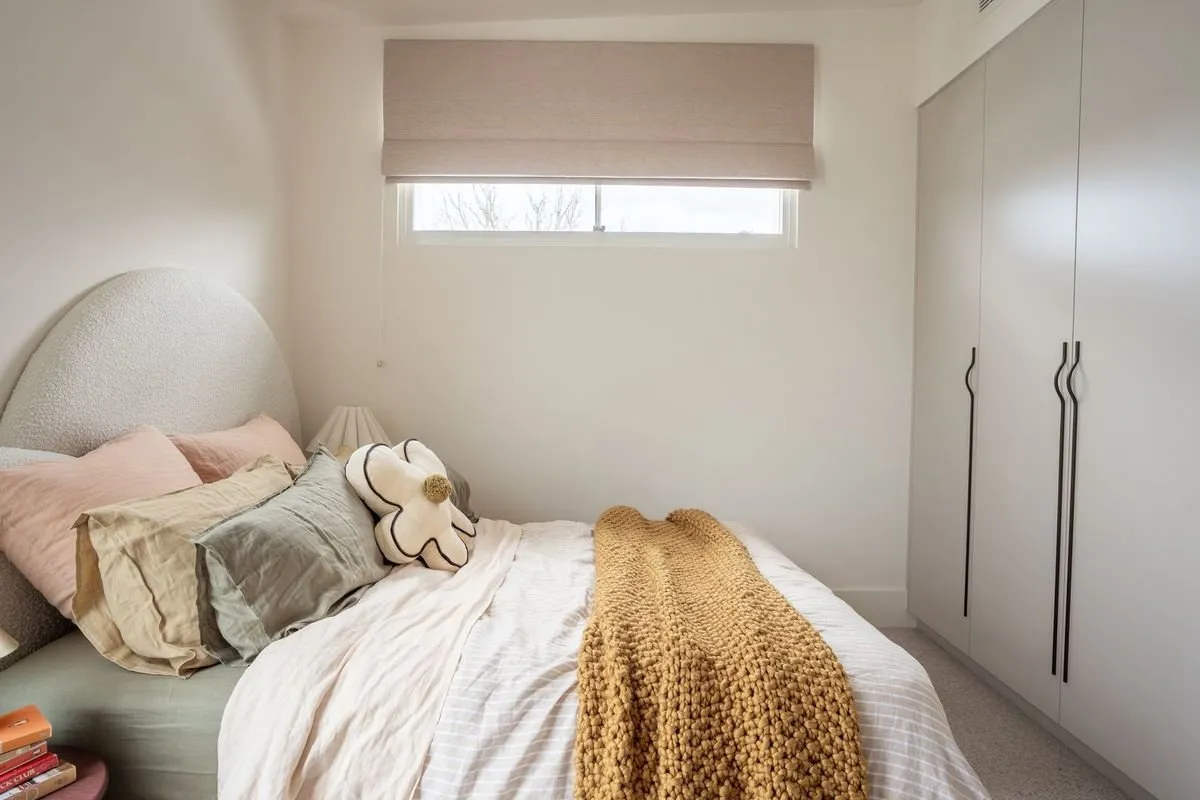
A roller rolls away to a slim tube and suits almost any window. A Roman folds up in soft pleats and brings the curtain look. Rollers take a wipeable fabric; Romans are better kept to drier rooms.
Roller or Roman. Blockout or sheer. Blinds or shutters. Most windows come down to two good options. We put them next to each other, measure every window, and quote the one you pick in writing.
Tell us your suburb when you book. We confirm we can get to you before we set a time.
Like the optometrist's lenses: you never have to name the answer, just say which of two is better. Think of one room. At the end you get a style, a fabric, an operation and a fit, with the reasons, to bring to your consultation.
Many rooms need both: "I want the light, but I want it dark at night". A dual roller is two blinds on one bracket. The front fabric is a sheer or sunscreen that cuts glare and keeps the view. The back fabric is a blockout for sleep and privacy after dark. Lower one, or the other, or both.
They suit bedrooms that face the street, living rooms with a view worth keeping, and anywhere a single fabric would be wrong half the day. They need a little more depth in the window recess than a single roller, which is one of the things we check at the measure.
How dual rollers compareEach of these is a fair fight. Here is what decides it.
A roller rolls away to a slim tube and suits almost any window. A Roman folds up in soft pleats and brings the curtain look. Rollers take a wipeable fabric; Romans are better kept to drier rooms.
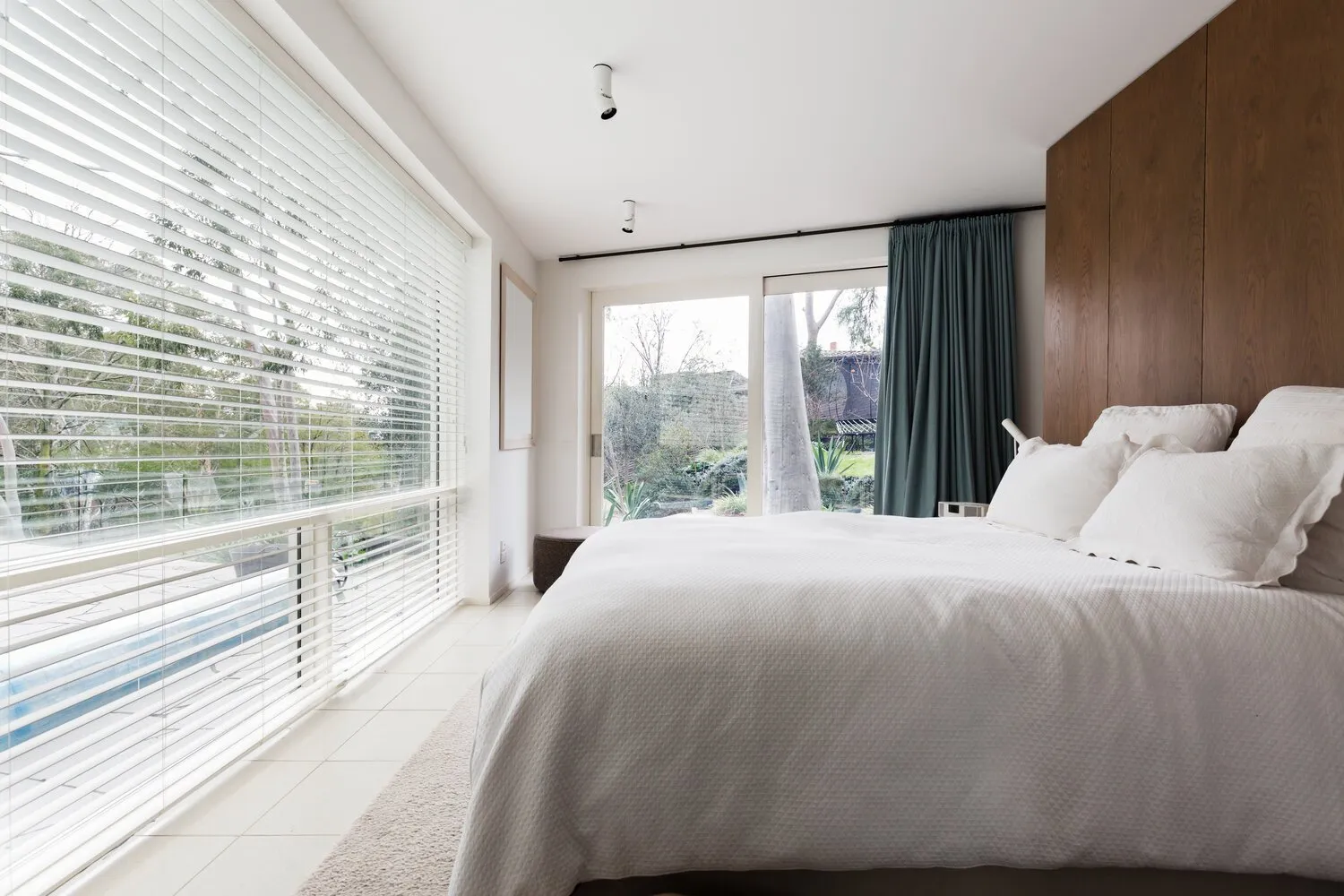
Venetians tilt across a standard window to steer the light without lifting. Verticals hang top to bottom and draw aside, which is why they are the usual answer for a sliding door.
Blockout makes a room dark and private. Light-filter lets daylight through as a soft glow and still stops people seeing in. Bedrooms and media rooms lean blockout; living areas lean light-filter.
A reveal fit sits inside the window recess for clean lines. A face fit mounts over the frame and covers the gaps, so less light leaks round the edges. Darkness usually wins it for face fit.
A chain is simple and reliable at arm's length. A motor earns its place on high, heavy or hard-to-reach windows, and anywhere you want no cord at all.
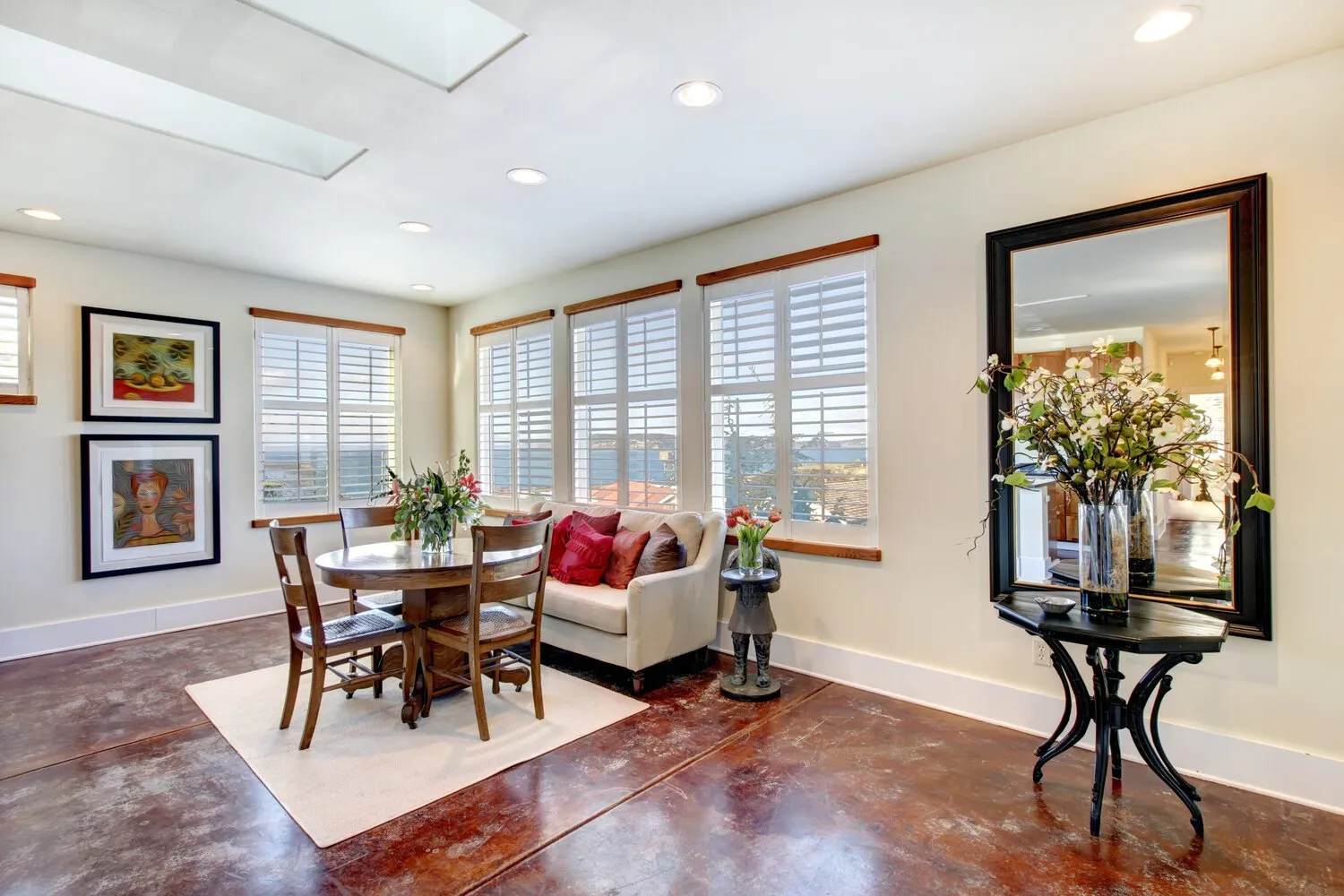
Blinds usually cost less up front and come in far more fabrics. Shutters are a sturdier, more permanent fixture. Our guide goes through it room by room: blinds or shutters on a budget.
Measure first, then a written quote. Nothing is made until you say yes.
Which rooms, roughly how many windows, and the two options you are torn between. The form takes two minutes.
Every window, width and drop, recess depth, which way it faces. We talk through the choices in the room they are for.
Each window's style, fabric, operation and fit, priced in writing. We confirm timing at this point too.
Once you say yes, the blinds are made to the measurements and fitted, with care notes for the fabric you chose.
Australia has a mandatory safety standard for corded internal blinds and curtains. Loose cords that could form a loop must be kept out of reach, cords and chains are fixed to the wall with a tension or cleat device, and the installer leaves a safety label.
Where children are about, the simplest answer is no loose cord at all: a cordless or motorised blind. Tell us at the consultation and we will plan around it.
Upfront cost, how long each lasts, cleaning, insulation and fitting, room by room.
Read the comparison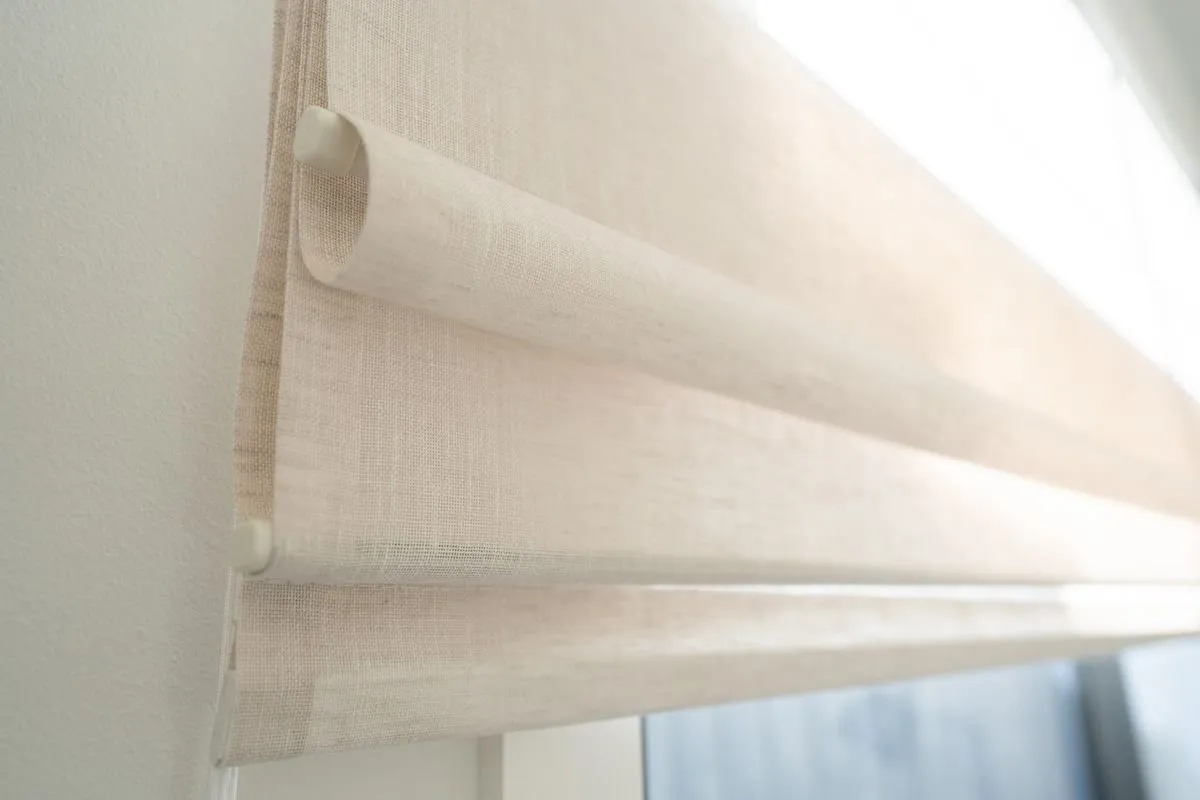
Standard sizes against made-to-measure: the steps, the time and how forgiving each one is.
Read the guide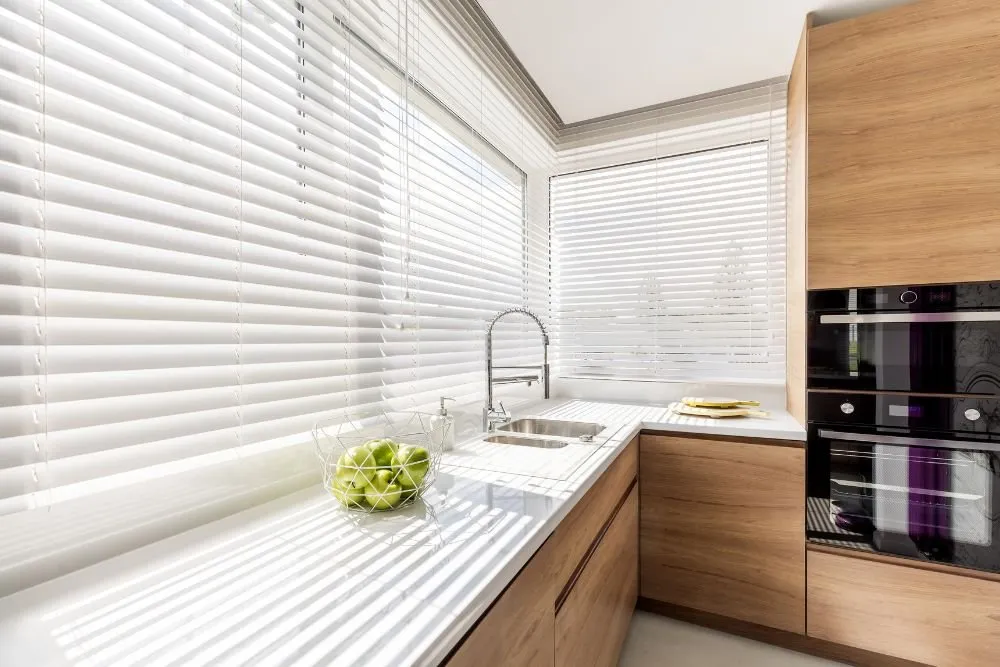
Privacy, light, materials, wet areas, measuring and care, in the order you will need them.
Read the guideAs a starting point: blockout rollers, dual rollers or lined Romans in bedrooms; light-filter rollers, Romans or venetians in living areas; wipeable rollers, aluminium or timber-look venetians in kitchens and bathrooms; verticals for sliding doors and wide glass. Which way the window faces and who walks past it changes the answer, which is what the measure is for.
Plenty of people do, especially with ready-made blinds in standard sizes. Made-to-measure blinds depend on precise measurements, so the measure and the fit are where most problems start. Our guide on ready-made against custom goes through it.
Made-to-measure blinds are made after the measure, so they take longer than buying off the shelf. It depends on the style and fabric, and we confirm the timing in writing with your quote rather than guess at it here.
Yes. Cordless and motorised blinds remove loose cords altogether, and any corded blind is fitted to the national safety standard. Tell us when you book and we will plan around it.
Most styles can, and it is most worth it on large, high or hard-to-reach windows. Ask at the consultation and we will say which of your windows it makes sense for.
Every window is different in size, fabric and operation, so we measure first and quote in writing. The consultation and the quote are free, and nothing is made until you say yes.
We measure every window, talk through the two you are torn between, and send a written quote. You decide after that.