
Reveal fit
Mounted inside the window recess. Neat and flush, frames the window, and needs enough recess depth for the bracket. A thin line of light at the edges is normal.
Home / The blinds
Three things decide a blind: the style, how much light the fabric lets through, and how it is fitted and worked. Here is each one, with what makes it the right call and when to think twice.
| Style | What it is | Best at | Think twice when | Usual rooms |
|---|---|---|---|---|
| Roller | One fabric on a tube that rolls up out of sight. Also called a Holland blind. | Almost any window, in blockout, light-filter or sheer. Clean lines, wipeable fabrics available. | You want to angle light without lifting the blind. A roller is up or down. | Everywhere |
| Dual roller | Two rollers on one bracket: a sheer or sunscreen in front, a blockout behind. | Rooms that need daylight and a view by day and full privacy or darkness at night. | The window recess is shallow. Two rollers need more depth, so we check it at the measure. | Bedrooms on the street, living rooms |
| Roman | A soft fabric blind that lifts into neat horizontal folds. | The softness of a curtain with the tidiness of a blind. Can be lined for darkness. | The room is steamy or splash-prone. Fabric folds hold moisture and dust. | Bedrooms, lounges |
| Venetian | Horizontal slats that tilt, in timber, timber-look or aluminium. | Steering light precisely while the blind stays down. Timber-look and aluminium wipe clean. | The room must be fully dark. Slats always let a little light through the gaps. | Kitchens, bathrooms, studies, living areas |
| Vertical | Fabric or PVC louvres hanging from a track; they rotate and draw aside. | Sliding doors and wide or tall glass, where you need to walk through or open up a whole span. | It is a small standard window. A roller or venetian is usually neater. | Sliding doors, wide living-room glass, offices |
| Honeycomb | Pleated fabric formed into air cells, also called cellular blinds. | Insulation: the trapped air slows heat moving through the window, and the cells soften sound. | You want a flat, patterned or heavily textured fabric look. | West-facing rooms, bedrooms, cold rooms |
| Day-night | Two layers of alternating sheer and solid bands that slide past each other. Also called zebra blinds. | Stepless light control from one blind: line the bands up for light, offset them for privacy. | You need true blackout. The solid bands are rarely full blockout. | Living rooms, home offices |
| Outdoor | Weather-rated blinds for verandahs, pergolas and outside west-facing glass, often track-guided. | Stopping heat before it reaches the glass, which inside blinds cannot do. | The wall or beam above cannot take a fixing. We look at that on site. | Alfresco areas, west-facing windows |
Fabric transparency cuts across almost every style. It is the choice that most changes how a room feels, so it is worth settling before the colour.
Opaque fabric for darkness and privacy, day and night. Bedrooms, nurseries, media rooms, and west-facing glare on a screen.
Daylight comes through as a soft glow, and people outside cannot see in by day. The living-area default.
An open weave that cuts glare and UV while keeping the view. Not private at night with the lights on inside.
A dual roller, or a day-night blind, when one room genuinely needs two of these at different times.
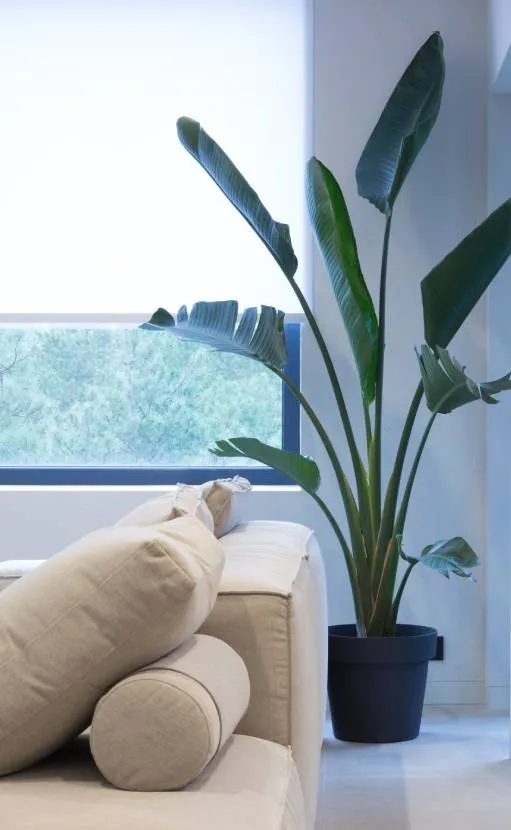
Mounted inside the window recess. Neat and flush, frames the window, and needs enough recess depth for the bracket. A thin line of light at the edges is normal.
Mounted on the wall or the frame and overlapping the opening. Covers the gaps, so it is the one for darkness, and it suits a shallow recess.
A continuous loop chain, fixed to the wall with a tension device under the safety standard. Simple and dependable at arm's length.
You lift or lower the bottom rail by hand. No cord or chain at all, which makes it a strong choice where children are about.
A small motor in the tube, worked by remote, wall switch or app. Worth it for high, heavy or hard-to-reach windows and big runs of glass.
Some rooms come out of the comparison wanting plantation shutters. Our blinds or shutters guide lays out that choice honestly.
The same styles, in the rooms they suit. Photographs are illustrative, not our installs.
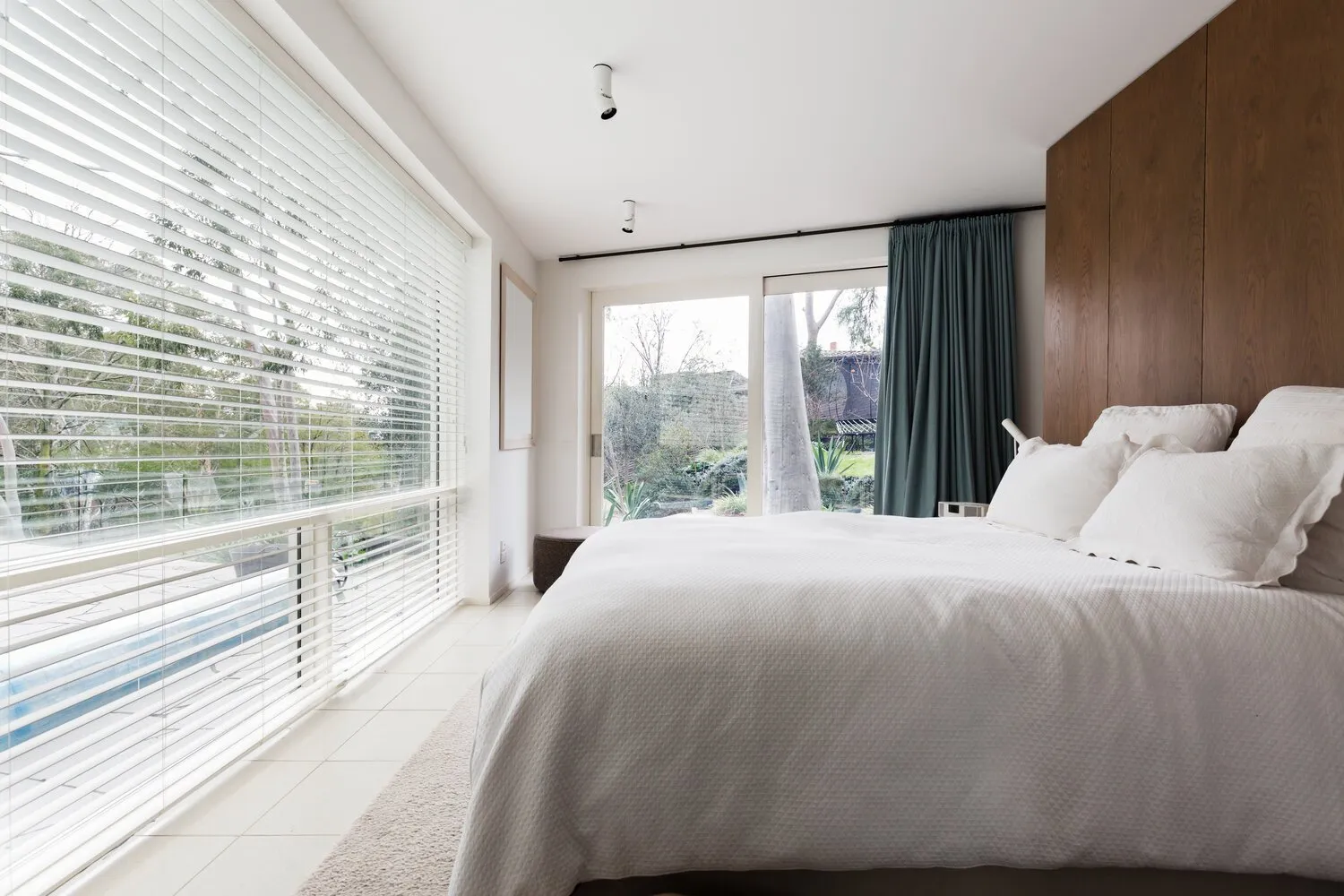
Tilted half open for light, closed for privacy. Add a face fit or a blockout layer if mornings need to be dark.
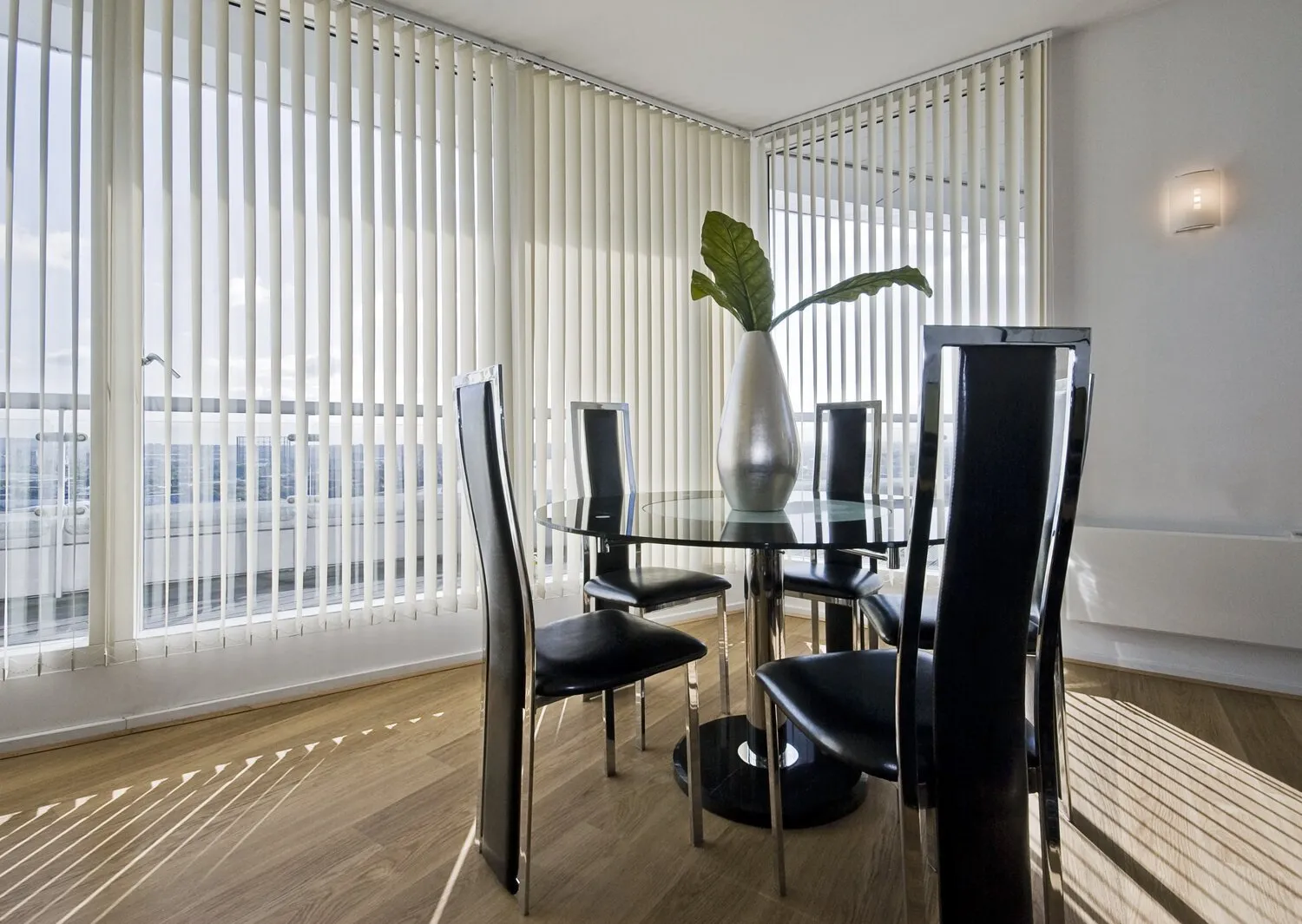
Rotate the louvres to angle the light, or draw them right back to open the whole span.
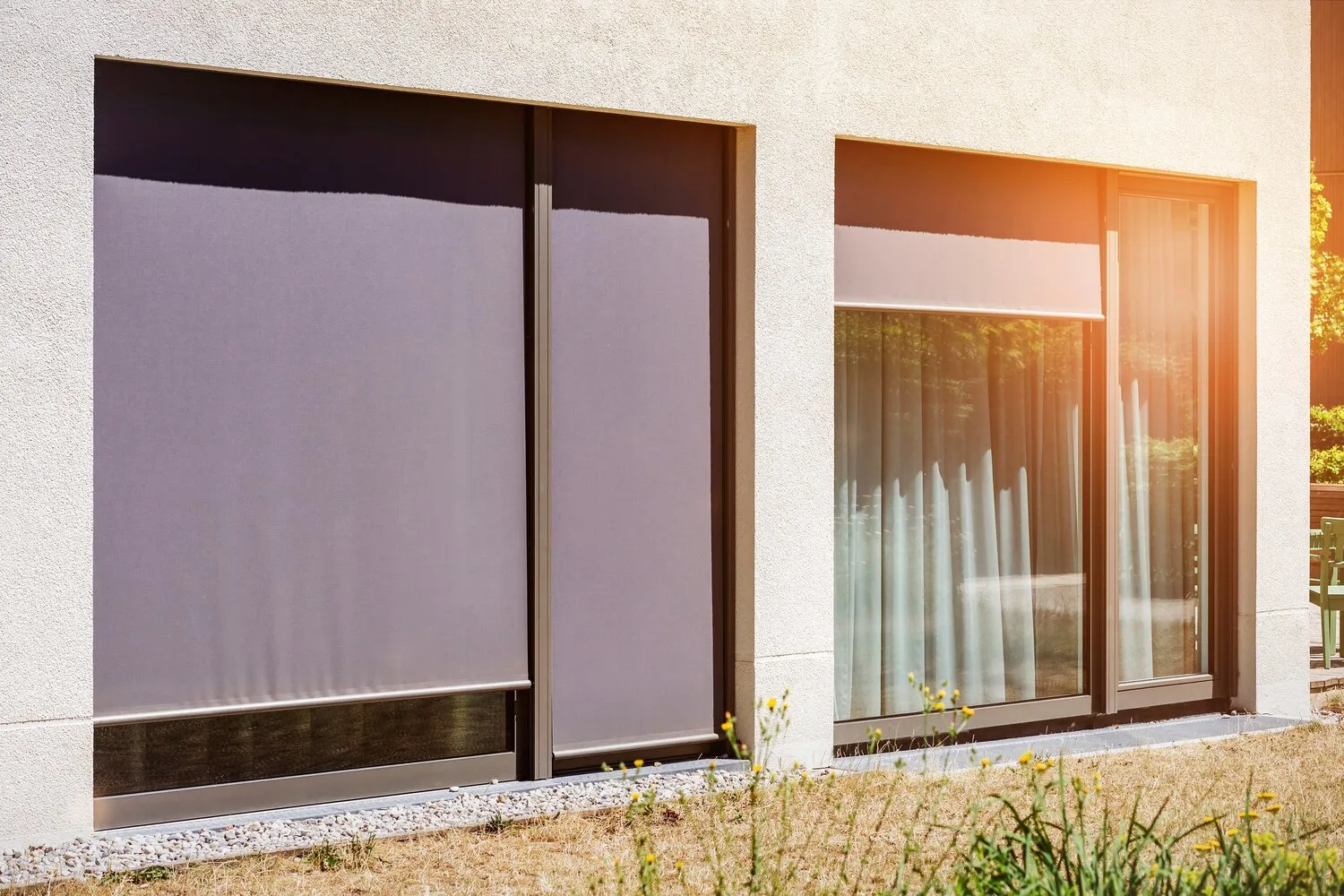
Shade on the outside of the glass stops the heat before it gets in.
Corded internal blinds sold and installed in Australia must meet a mandatory safety standard: no loose cord loops within a child's reach, cords and chains secured to the wall, and a safety label left by the installer. Cordless and motorised blinds avoid loose cords altogether. Tell us if there are children in the house and we will plan each window around it.
We measure every window, talk through the two you are torn between, and send a written quote. You decide after that.