
Understanding what each room needs is the key to choosing window coverings. Privacy in the bedrooms, better light control in the living areas, or a home that holds its temperature: this guide covers the materials, fitting styles and practical points that get you there, in the order you will need them.
1. Understand your needs
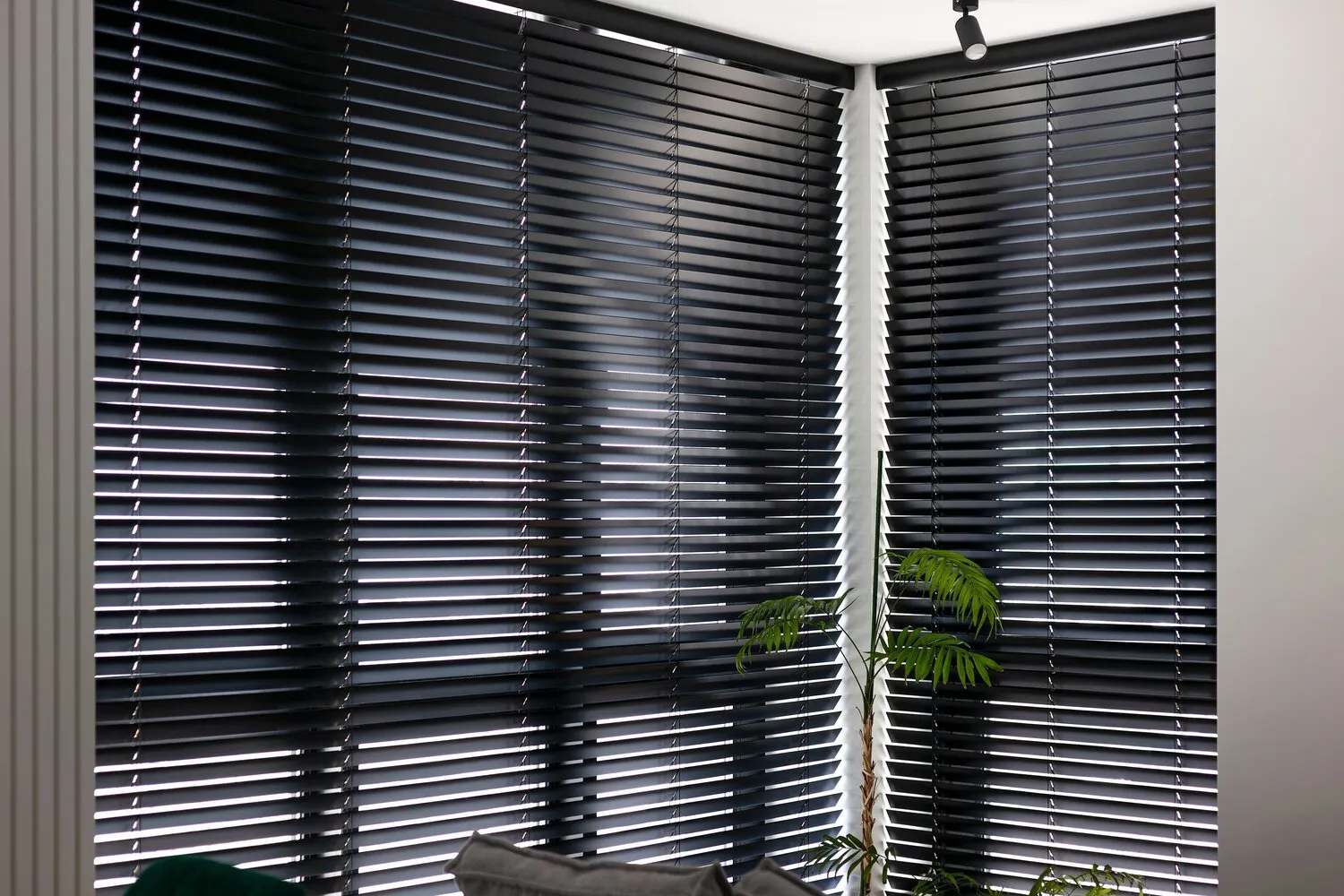
Before looking at options, work out what each window has to do. Every room can want something different, so start with a few questions:
- How much privacy does the room need? Full privacy, or is some visibility fine?
- How much daylight do you want in? Some rooms need complete control; others suit a softer, diffused light.
- Does insulation matter? The right covering helps keep a room cooler in summer and warmer in winter.
- What does the room look like now? A sleek, modern covering and a traditional one suit different interiors.
- Are there young children in the house? That points towards cordless or motorised blinds.
Once you have the answers, the options narrow quickly. Our One or two? picker asks the same questions as six quick choices.
2. Explore the different types
There are several kinds of window covering, and each has its own strengths.
- Venetian blinds have horizontal slats that tilt, for adjustable light and privacy. They suit most rooms.
- Roller blinds are minimal and roll up into a tube. Down, they give full coverage, in blockout, light-filter or sheer fabrics.
- Roman blinds fold neatly as they rise and add a decorative, softer look. They can be lined or unlined.
- Vertical blinds suit large windows and sliding doors, with long louvres running on a track.
- Honeycomb blinds trap air in pleated cells and are made for insulation.
- Plantation shutters have wide louvres that tilt to manage light, and give a permanent, structured look.
- Tier-on-tier shutters have two independent sections, so you can open the top and keep the bottom closed.
The blinds comparison sets the blind styles out side by side.
3. Choose the right material
The material decides how well a covering copes with the room.
- Timber is common in living rooms and bedrooms. It looks natural and warm.
- Timber-look (PVC or faux wood) resists moisture, which makes it suitable for bathrooms and kitchens.
- Aluminium has a modern look and stands up to high-traffic and damp areas.
- Fabric, for Roman and roller blinds, comes in a wide range of colours, patterns and transparencies.
Think about where each one will hang. Humid rooms such as kitchens and bathrooms do best with moisture-resistant materials; living spaces can take natural timber or fabric.
4. Light and privacy control
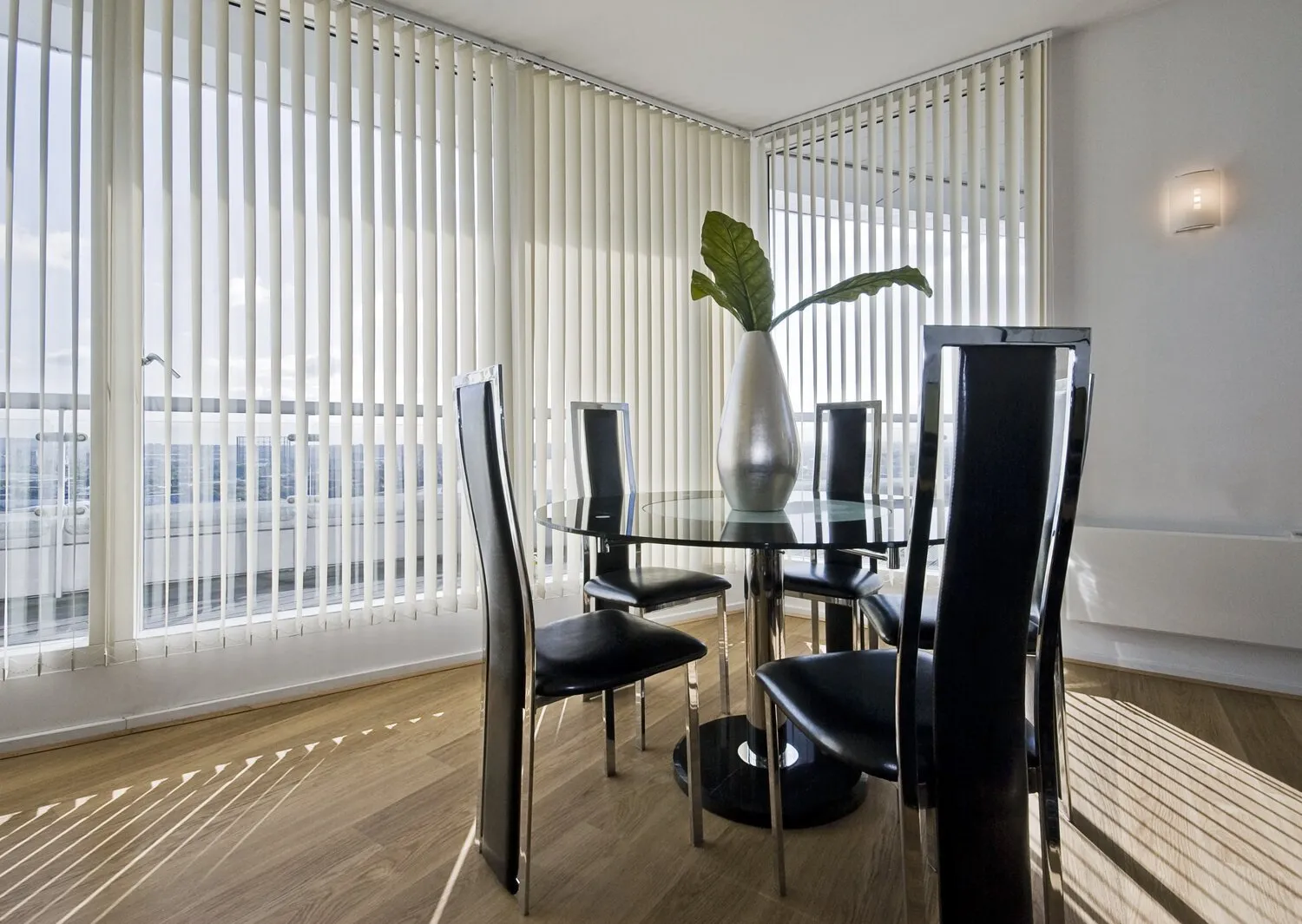
Next, think about how the covering will change the light and the privacy in the room.
Where full privacy is needed, such as bedrooms and bathrooms, blockout fabrics give complete coverage. Living areas that need more flexibility suit coverings you can adjust, such as venetians or shutters, where you angle the slats to control the light.
For a balance of daylight and privacy, look at light-filter fabrics, which diffuse light without letting people see in, or sheers, which keep the view and cut the glare. A dual roller gives you a sheer and a blockout on one window.
5. Energy efficiency
Window coverings help a home's comfort by slowing heat moving through the glass, which can reduce how much you heat and cool.
Honeycomb (cellular) blinds trap air in their cells for insulation. Shutters, with their solid panels, help keep heat out in summer and in during winter. For hot, west-facing glass, shade on the outside of the window, such as an outdoor blind, does the most, because it stops the sun before it reaches the glass. The Australian Government's Your Home guide to shading explains why.
6. Ease of maintenance
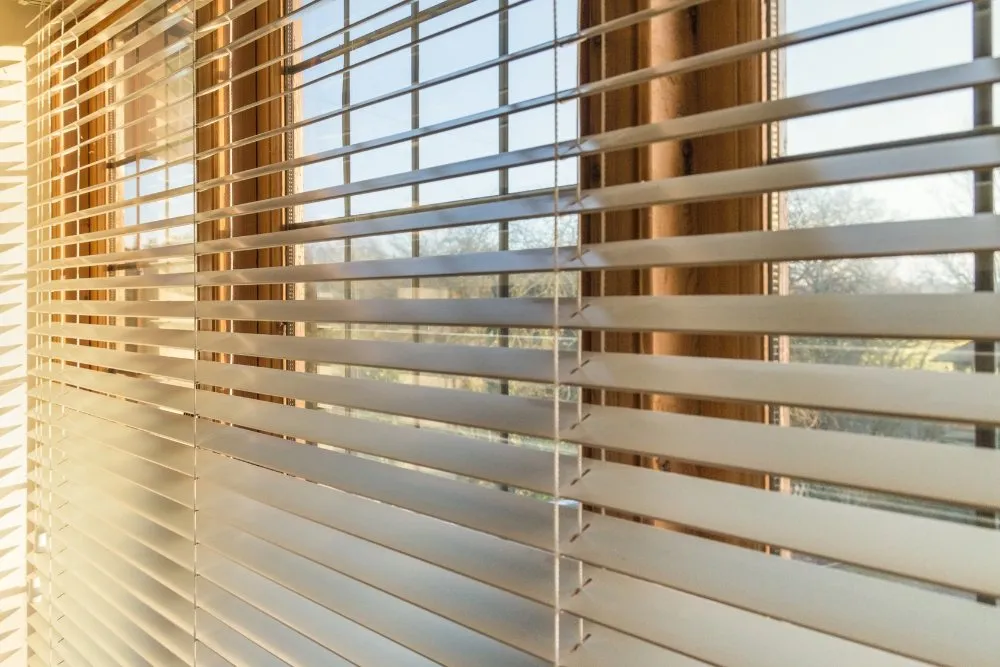
Cleaning is easy to overlook. Think about how much upkeep you are happy with, especially in rooms that need frequent cleaning.
- Aluminium and timber-look slats wipe down easily, which suits kitchens and bathrooms.
- Fabric blinds need regular vacuuming, and sometimes professional cleaning, to stay free of dust and marks.
- Real timber needs a little more care to keep its finish, especially in humid rooms.
7. Budget
Budget plays a big part. Some coverings, such as plantation shutters, cost more up front but often give long-term value through their durability. Others, such as roller blinds, cost less but may not last as long, depending on the fabric.
Weigh the upfront cost against the long-term benefits: insulation, privacy and how long it will last. Our blinds or shutters cost comparison goes through it room by room.
8. Measuring for the right fit
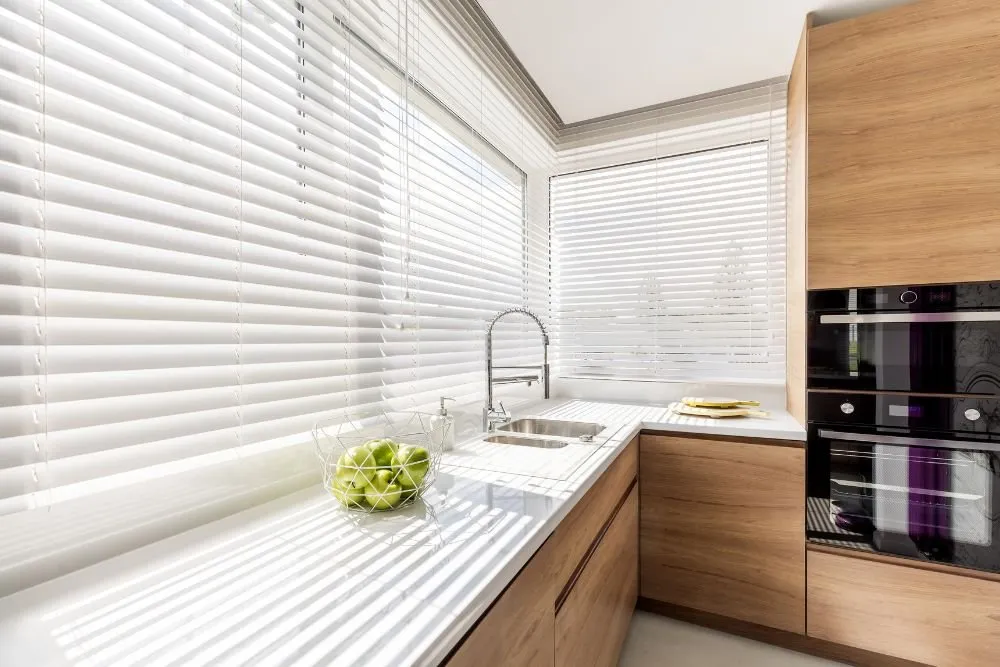
Accurate measurements are what make a covering fit, whether you install it yourself or have it done.
- Measure the width and the height of the opening in three places (top, middle and bottom) to catch any unevenness, and work from the smallest for an inside fit.
- For a reveal (inside) fit, check the recess is deep enough for the brackets.
- For a face (outside) fit, add extra width and height so the blind overlaps the opening and blocks the light at the edges.
These steps avoid most sizing problems. If you would rather not, we measure every window at a free consultation.
9. Advice and recommendations
It helps to talk to someone who fits window coverings, and to read what other buyers say about the products you are considering. Advice in person can cover what suits your windows, how a product wears, and what is practical in your house.
10. Final checks before you buy
- Check the covering suits the room's real needs: privacy in bedrooms, moisture resistance in bathrooms, light control in living rooms.
- Ask what warranty and returns apply, so you know where you stand if something goes wrong.
- Make sure the seller is reputable. Look at reviews and feedback.
- Get the quote in writing, and compare the features as well as the price.
11. Installation and aftercare
Some coverings are easy to install yourself; others need professional fitting to get a precise result. If you are unsure, ask us before you start. Our guide to ready-made against custom blinds covers the DIY side.
Any corded blind must have its cord or chain secured to the wall under Australia's safety standard. After installation, follow the care instructions for your fabric or slats: looked after, they keep working as they should for longer.
References
- Your Home: Shading. The Australian Government's guide on shading windows for comfort and energy use.
- NSW Government: blind and curtain safety. What the mandatory standard asks of corded blinds and their installers.