
Choosing window coverings is a big decision when you are working to a budget. Blinds and shutters are two of the most popular options, and each earns its place. This guide breaks down the costs and the factors behind them, so you can make the right call for your home and your wallet.
Blinds
Lower upfront cost, a far wider range of fabrics and colours, and easy to change one room at a time.
Shutters
Higher upfront cost, sturdier, and a long-term fixture that can repay the outlay if you are staying put.
Initial purchase costs
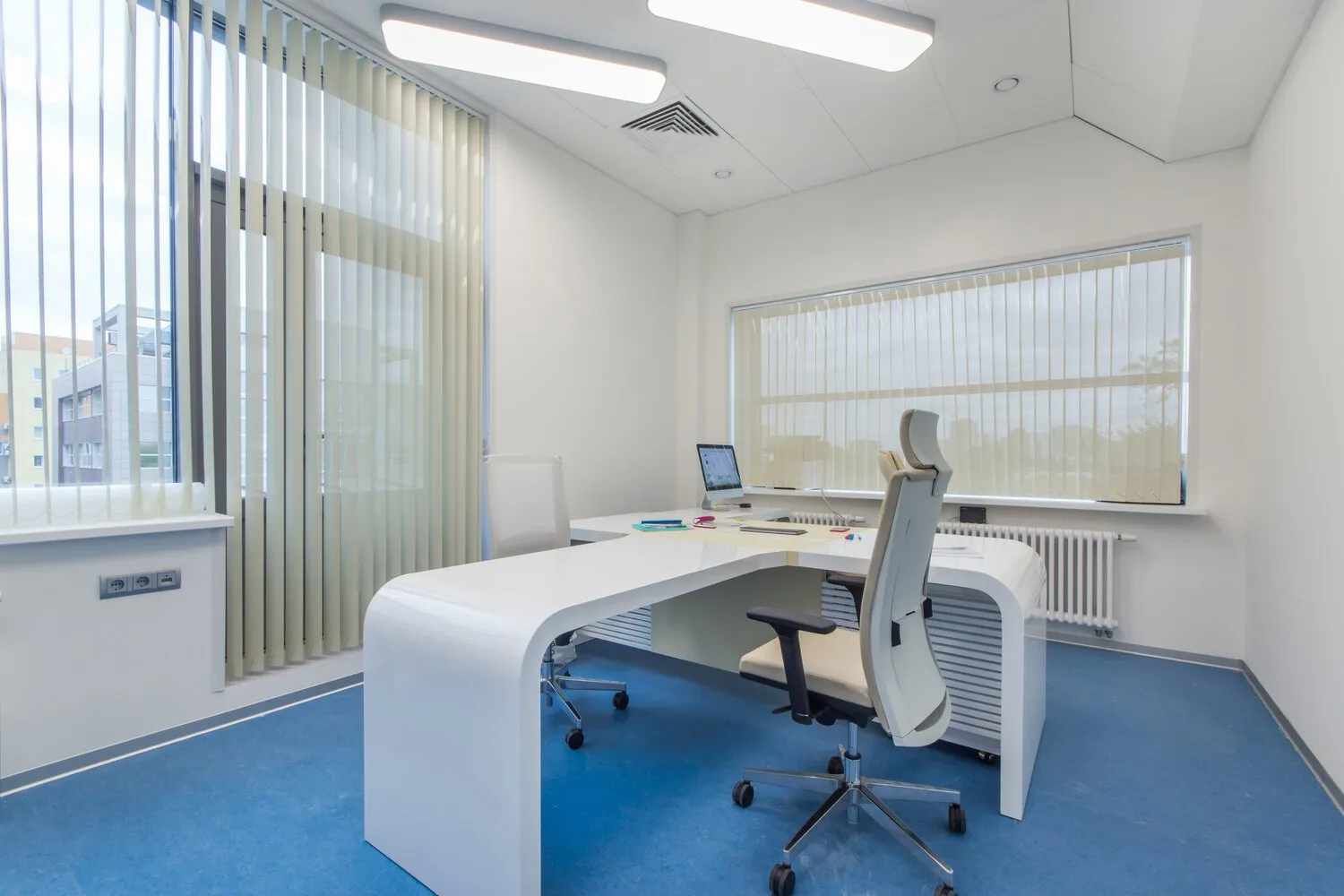
Blinds are generally the more affordable option at the start. They come in PVC, aluminium, timber and a wide range of fabrics, and standard sizes in particular keep the upfront cost down.
Shutters usually cost more at the start. They are made in timber, vinyl or composite, are almost always made to measure, and are a heavier, more built piece of joinery. The build quality tends to reflect the outlay.
If keeping the upfront spend down is the priority, blinds usually win. It is still worth weighing how long each will last before deciding.
Durability and long-term value
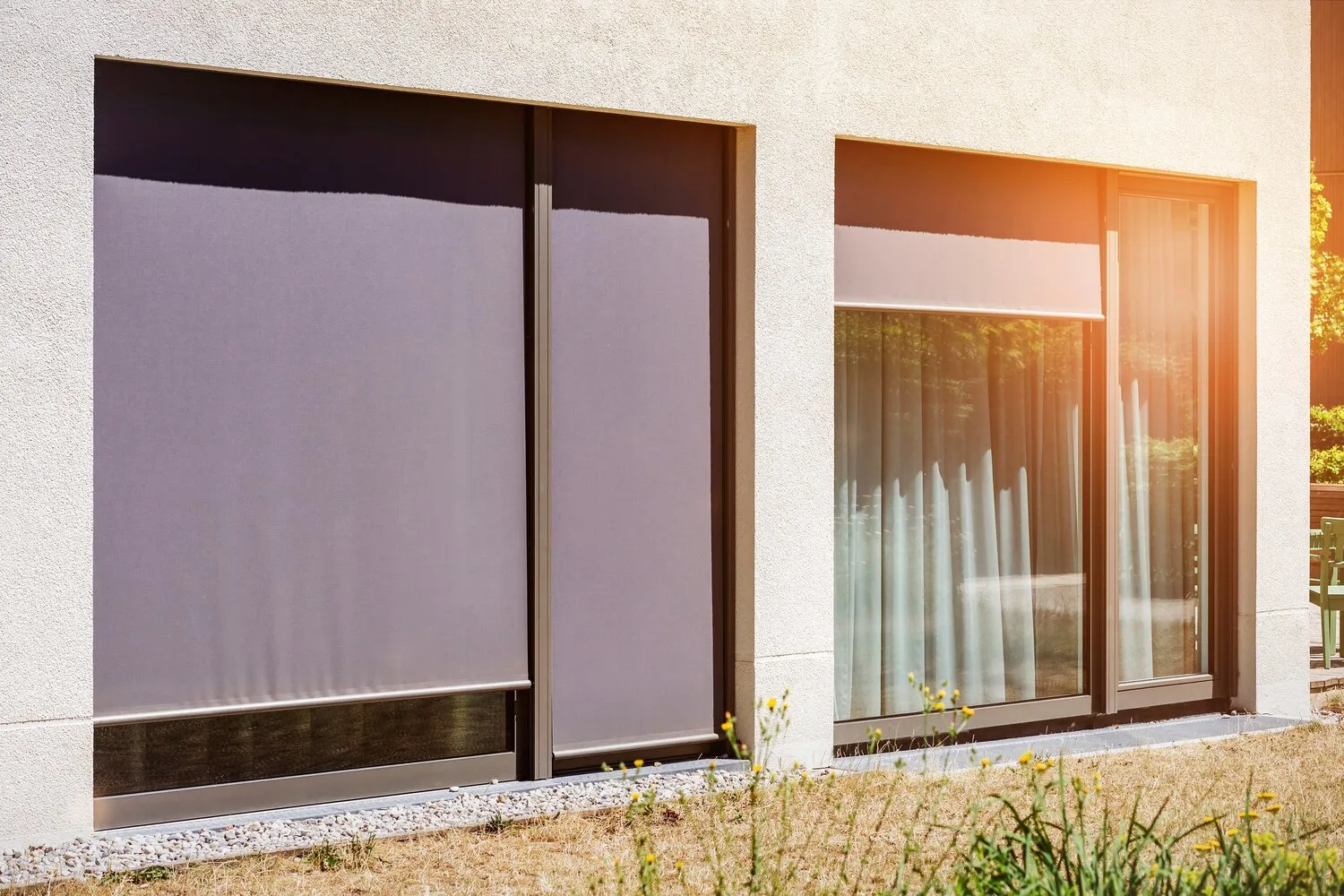
Blinds may cost less up front, but shutters often give better long-term value because of how long they last. They are built to stay in place for many years, which makes them worth considering if you plan to stay in your home.
Fabric blinds in particular may need replacing sooner, especially in rooms that take a lot of direct sun. Shutters resist wear and tear better over time, so there are fewer replacements and repairs.
Over a long stay, shutters can work out the more cost-effective choice. Over a short one, or in a rental, blinds usually do.
Choice of look
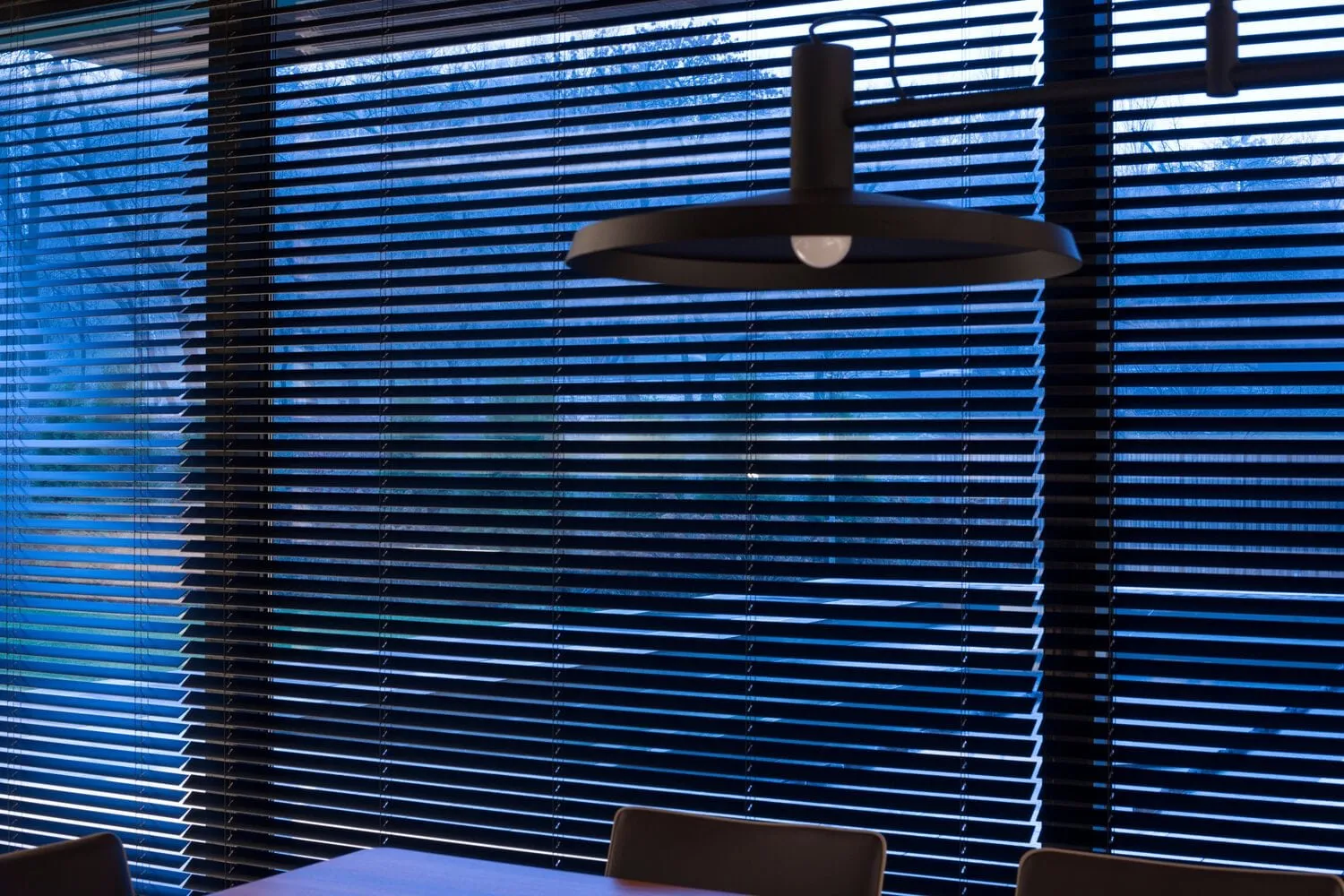
This is where blinds pull ahead. A blind can be a sheer, a light-filter or a blockout fabric, in almost any colour or texture, as a roller, a soft Roman fold, timber slats or vertical louvres. You can choose a different answer for every room, and change your mind in a few years without much expense.
Shutters have one look, the fixed louvre panel, finished in a paint or stain. It is a clean, architectural look that suits many homes, but it is a commitment: the shutters tend to define the room for as long as they are there.
Maintenance and energy efficiency

Maintenance differs between the two. Blinds in PVC or aluminium are easy to clean with a quick wipe. Fabric blinds collect dust over time, and may need more frequent vacuuming or professional cleaning.
Shutters only need occasional dusting or wiping. Their solid panels close up well against the frame, which helps hold warmth in during winter and keep heat out in summer, and that can help with heating and cooling over time.
Blinds are not out of the running here. Honeycomb (cellular) blinds trap air in their cells and are made for insulation, and outdoor blinds stop the sun before it reaches the glass, which is the most effective place to stop heat. The Australian Government's Your Home guide to shading explains why shade outside the glass beats shade inside.
Room suitability and cost
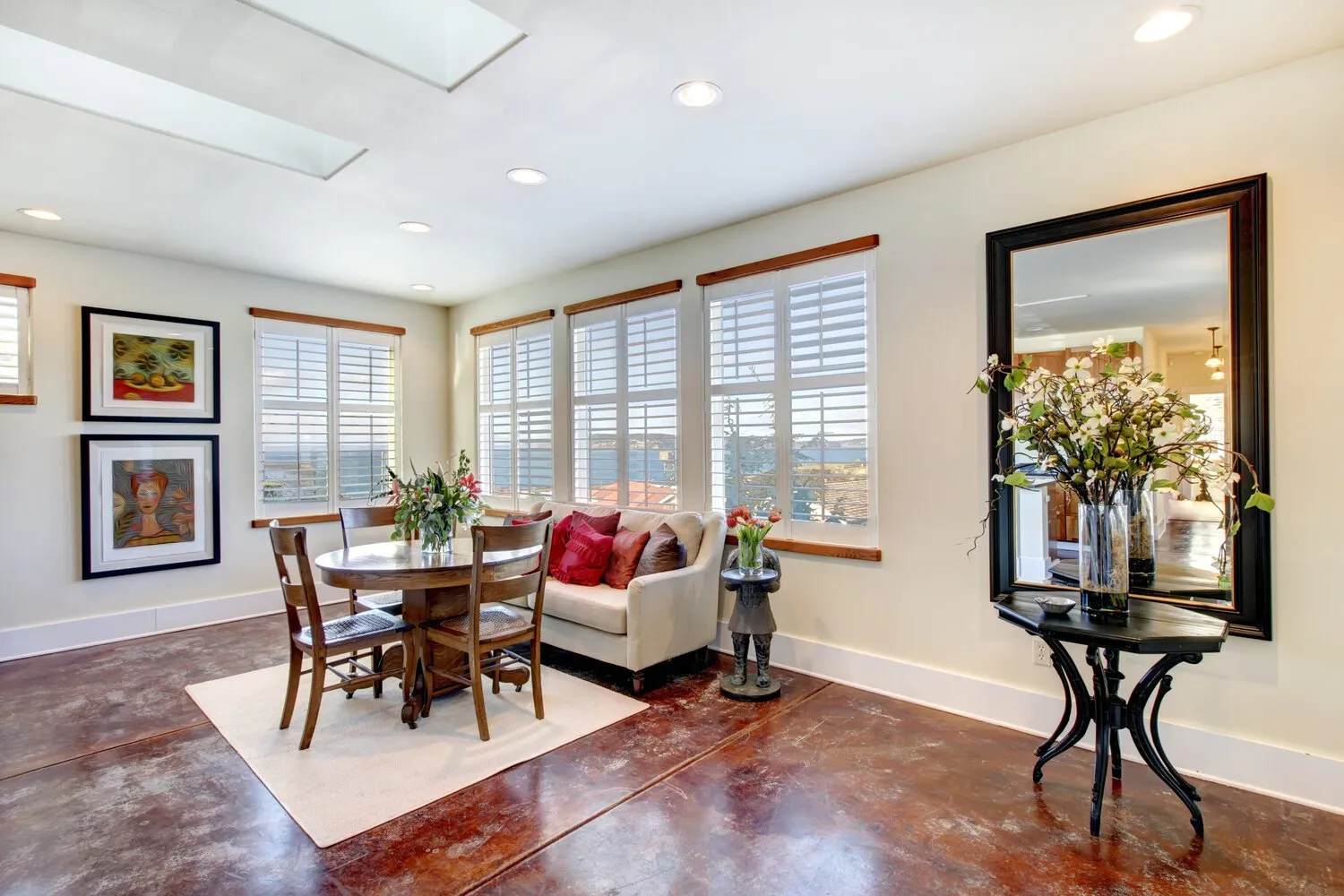
The right choice often depends on the room. Blinds suit most spaces, and kitchens and bathrooms in particular, where PVC and aluminium handle moisture and keep the cost down.
Shutters cost more but work well in living rooms and bedrooms, where their durability and temperature control count, and they lift the look of a room. Fitting them through the whole home, though, adds up quickly, especially with unusual window sizes.
| Room | Leans | Why |
|---|---|---|
| Kitchen, bathroom, laundry | Blinds | Moisture-tolerant PVC and aluminium, wipe clean, lower cost. |
| Main living room | Either | Shutters for a long-term fixture; light-filter or dual rollers for flexibility. |
| Main bedroom | Either | Shutters for insulation; a blockout or dual roller for real darkness. |
| Spare rooms, studies | Blinds | Lower spend where the room is used less. |
| Sliding doors | Blinds | Vertical blinds draw clear of the opening. |
Blinds in the wet areas and shutters where insulation matters most is a sensible way to balance the budget and the job each room has to do.
Installation costs and expertise

Installation is the other cost to weigh. Blinds are generally simpler and cheaper to install, and many homeowners fit ready-made blinds themselves, which saves the fitting cost altogether.
Shutters almost always need professional installation. That adds to the total, but it is what gets a precise fit and a long life out of the product. A DIY mistake with shutters is an expensive one to put right.
If fitting cost matters, blinds are the more DIY-friendly choice. Our guide on ready-made against custom blinds covers what DIY fitting involves.
Making the right decision
Weigh both the upfront and the long-term costs. Blinds are the more affordable starting point and the more flexible one, especially in rooms with moisture. Shutters cost more at first and repay it in durability, insulation and long-term value.
The best answer is often a mix. Book a free consultation and we will measure the windows, talk through blinds and shutters room by room, and put the options in writing.
Reference
- Your Home: Shading. The Australian Government's guide to designing for comfort, on why external shading controls heat better than internal coverings.